Building self-esteem is an important part of growing up, and kids can strengthen it through a variety of fun and meaningful activities. Every time they try something new, take on a challenge, or practice a talent, they discover what they’re capable of and gain confidence in their abilities. Even small successes—like finishing a puzzle, learning a new skill, or helping someone—can give them a sense of pride and show them that effort truly matters. Over time, these experiences help kids develop resilience, independence, and a stronger belief in themselves – making them the best ways for kids to build self-esteem!
There are many ways for kids to grow confidence while enjoying the process of learning and exploring. From creative activities like art, music, or storytelling to team sports, community service, and outdoor adventures, each experience gives children opportunities to express themselves, connect with others, and celebrate their achievements. This 25 Ways Kids Can Boost Confidence and Build Self-Esteem is designed to inspire kids to try new things, embrace challenges, and feel proud of their unique talents in fun, engaging ways.
25 Different Ways for Kids to Build Self-Esteem & Boost Confidence
Learning and Trying New Things

When kids try new skills, take on challenges, or teach others, they see firsthand that effort leads to growth. Each success, big or small, boosts confidence and shows them they are capable and resourceful. Facing new experiences also teaches them that mistakes are part of learning, helping them feel proud and resilient.
- Learn a new skill – Trying something new, like drawing, cooking, or coding, helps kids build self-esteem by showing them they can improve with practice. Each small success brings pride and confidence, teaching them that effort leads to progress and that they can handle challenges.
- Try something challenging even if they might fail – Taking on challenges, even with the risk of failure, helps kids build self-esteem by showing them that effort matters more than perfection. Each attempt teaches resilience, confidence, and the idea that mistakes are part of learning. Over time, they discover they are stronger and more capable than they realized.
- Practice a talent regularly – Regularly practicing a talent like music, dance, or sports helps kids build self-esteem by showing them their progress over time. It teaches patience and discipline, and each improvement boosts confidence and pride in what they can achieve.
- Step outside their comfort zone and try new experiences – Trying new experiences helps kids build self-esteem by showing them they can handle unfamiliar situations. Each new challenge builds courage and confidence, teaching them that feeling nervous is okay and effort matters. Over time, they learn to trust their abilities and feel proud of their bravery.
- Teach someone else something they know – Teaching others gives kids a sense of mastery and pride in their knowledge. It boosts confidence, encourages responsibility and communication, and shows them that what they know has value. Sharing their skills turns learning into a positive, empowering experience.
Building Confidence Through Achievement
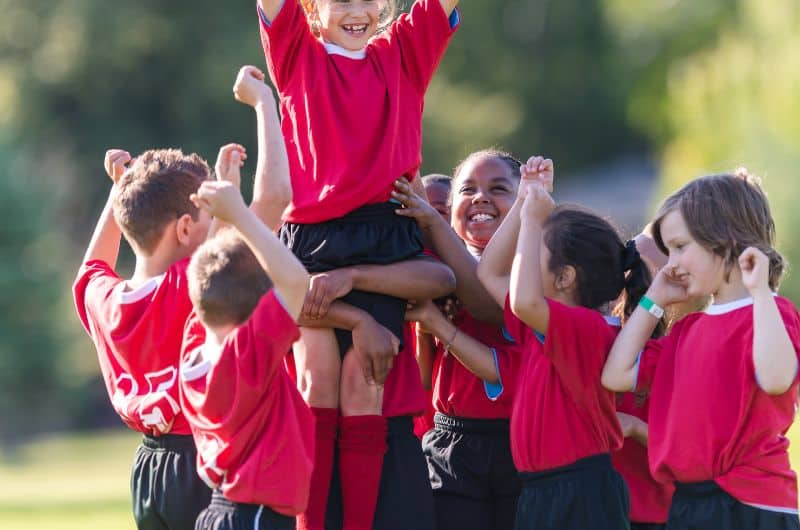
Completing tasks and reaching goals gives kids a sense of accomplishment and pride. Tracking progress and celebrating effort reinforces that hard work leads to results, not just talent. Over time, these experiences build motivation, self-belief, and a willingness to take on bigger challenges.
- Finish small goals – Completing small tasks like a puzzle or book helps kids build self-esteem by giving them a clear sense of accomplishment. Each success boosts confidence, teaches persistence, and shows that effort leads to results. Over time, these wins help kids believe in themselves and take on bigger challenges.
- Set personal goals and track progress – Setting goals and tracking progress helps kids build self-esteem by showing them that their efforts lead to real results. Seeing themselves improve step by step boosts confidence and motivation. It also teaches responsibility and a sense of accomplishment, reinforcing that they can achieve what they set out to do.
- Celebrate effort, not just results – Focusing on effort helps kids build self-esteem by showing them that trying hard and persevering matters more than being perfect. It encourages a growth mindset, making them proud of their dedication and resilience. Over time, this reinforces confidence and the belief that they can tackle challenges, even if they don’t succeed immediately.
- Reflect on what they’re proud of each week – Taking time to reflect on accomplishments helps kids build self-esteem by reminding them of their strengths and successes. It encourages gratitude and self-awareness, reinforcing a positive sense of self. Over time, this habit boosts confidence and motivates them to keep trying and growing.
- Keep a “wins journal” to record daily successes – Writing down daily achievements helps kids build self-esteem by letting them see and celebrate their progress. It reinforces a sense of accomplishment and encourages a positive mindset. Over time, reflecting on these wins boosts confidence and motivates them to keep growing.
Developing Independence

Making decisions, solving problems, and taking responsibility helps kids feel capable and self-reliant. Learning to handle mistakes and try again teaches resilience and confidence. Independence gives them a sense of control over their lives, which naturally strengthens self-esteem.
- Solve problems independently instead of relying on adults – Figuring out solutions on their own helps kids build self-esteem by showing them they are capable and resourceful. Each problem they solve reinforces confidence and decision-making skills. Over time, they learn to trust their abilities and feel proud of what they can accomplish on their own.
- Make simple decisions – Letting kids choose things like what to wear or what activity to do helps them build self-esteem by giving them a sense of control and independence. Each choice, even a small one, reinforces confidence in their judgment and decision-making. Over time, these everyday decisions teach them to trust themselves and feel capable of handling bigger choices.
- Take responsibility for chores at home – Doing chores helps kids build self-esteem by showing them they can contribute and make a difference. Completing tasks successfully gives a sense of accomplishment and pride in their abilities. Over time, taking responsibility teaches reliability, independence, and confidence in what they can achieve.
- Learn to accept mistakes and try again – Understanding that mistakes are part of learning helps kids build self-esteem by teaching them resilience and perseverance. Each time they try again, they gain confidence in their ability to overcome challenges. Over time, this mindset encourages courage, growth, and a stronger belief in themselves.
Positive Thinking and Emotional Growth

Making decisions, solving problems, and taking responsibility helps kids feel capable and self-reliant. Learning to handle mistakes and try again teaches resilience and confidence. Independence gives them a sense of control over their lives, which naturally strengthens self-esteem.
- Practice positive self-talk – Using phrases like “I can try again” or “I’m learning” helps kids build self-esteem by encouraging a positive mindset and belief in their abilities. It reminds them that challenges are opportunities, not failures. Over time, this habit boosts confidence, resilience, and a sense of self-worth.
- Practice gratitude by listing things they appreciate – Focusing on what they are thankful for helps kids build self-esteem by highlighting the positive in their lives and their own contributions. It encourages a sense of contentment and self-worth. Over time, practicing gratitude strengthens confidence and a healthy, optimistic outlook on themselves and the world around them.
- Read books about brave or resilient characters – Reading about courageous or resilient characters helps kids build self-esteem by showing them examples of how challenges can be faced with confidence and determination. It inspires them to see themselves as capable of overcoming obstacles. Over time, these stories encourage courage, perseverance, and belief in their own abilities.
- Talk about feelings and learn healthy ways to handle them – Expressing emotions and learning healthy coping strategies helps kids build self-esteem by showing them that their feelings are valid and manageable. It teaches self-awareness, empathy, and problem-solving skills. Over time, understanding and handling emotions boosts confidence and a positive sense of self.
Helping and Connecting with Others
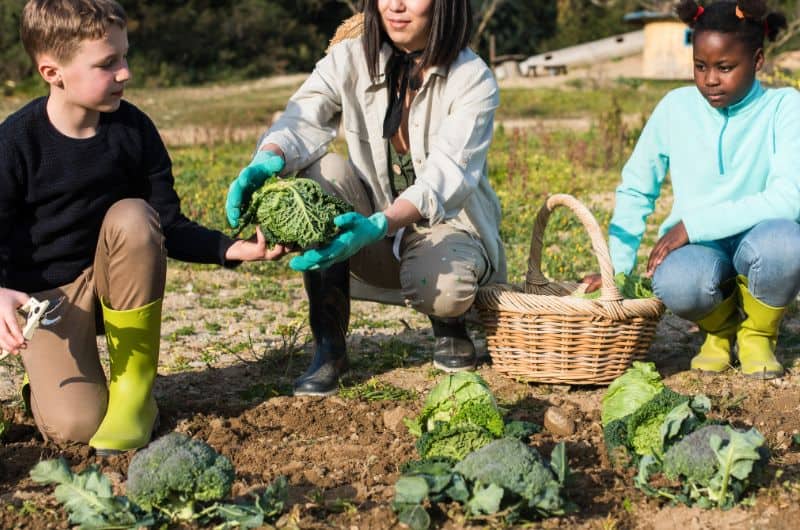
Helping others and forming supportive relationships teaches kids that their actions matter and that they belong. Contributing to the community and sharing ideas builds empathy, confidence, and social skills. Positive connections reinforce a child’s sense of value and self-esteem.
- Help someone else with a task – Helping someone else with a task lets kids see the difference they can make, which boosts their confidence and sense of worth. It teaches them that their skills and efforts matter, and encourages empathy and cooperation. Every small act of helping reinforces that they are capable and valued, which strengthens self-esteem.
- Volunteer or do community service – Volunteering or doing community service helps kids feel proud of contributing to something bigger than themselves. It shows them that their time and effort can make a real impact, which boosts confidence and self-worth. Plus, working with others for a common goal builds social skills and a sense of belonging.
- Spend time with supportive friends and adults – Spending time with supportive friends and adults helps kids feel valued and understood, which strengthens their confidence. Positive relationships show them that they are capable and worthy of care, encouragement, and respect. Being around people who lift them up also teaches social skills and reinforces a healthy sense of self.
- Speak up and share ideas in group discussions – Speaking up and sharing ideas in group discussions helps kids realize that their thoughts and opinions matter. It boosts confidence by showing them they can contribute and be heard. Over time, it strengthens self-esteem and encourages them to trust their own judgment.
Creative and Active Expression
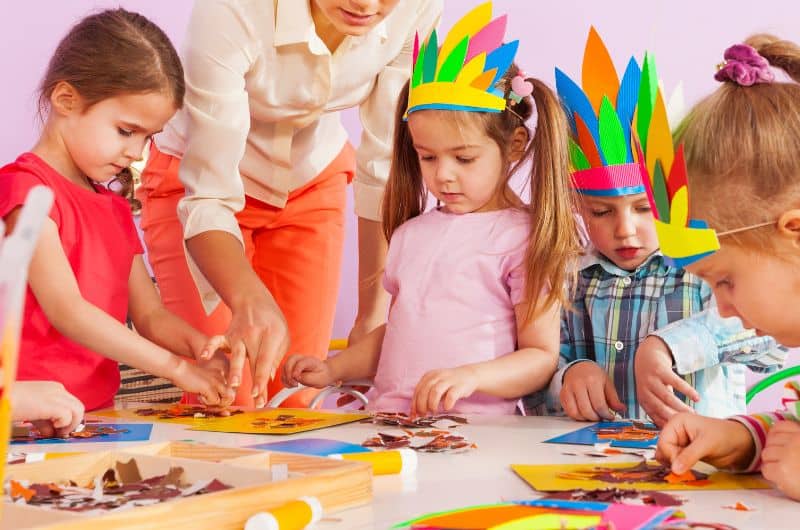
Helping others and forming supportive relationships teaches kids that their actions matter and that they belong. Contributing to the community and sharing ideas builds empathy, confidence, and social skills. Positive connections reinforce a child’s sense of value and self-esteem.
- Create something – Creating something like art, crafts, stories, or music lets kids express themselves and see the value of their unique ideas. Completing a project gives them a sense of accomplishment and pride, which boosts self-esteem. It also encourages creativity and confidence in trying new things without fear of mistakes.
- Participate in team activities – Participating in team activities like sports, drama, or clubs helps kids feel a sense of belonging and purpose. Working toward shared goals and celebrating achievements with others boosts confidence and self-worth. It also teaches cooperation, resilience, and the value of their contributions to a group.
- Spend time outdoors exploring and discovering – Spending time outdoors exploring and discovering helps kids build confidence as they learn new skills and overcome challenges in nature. Experiencing the world firsthand sparks curiosity and a sense of accomplishment. It also encourages independence and pride in their ability to navigate and understand their surroundings.
Related Articles:
- 101 Questions to Ask Your Kids to Get Them Thinking Deeper
- 100+ Screen-Free Activities for Kids That They Actually Enjoy
- 50+ Relationship Building Activities for Families
- Signs of Low Self-Esteem in Kids & Teens
Final Thoughts On These Ways for Kids to Build Their Self Esteem
Helping kids build confidence and self-esteem is a gift that lasts a lifetime, and these 25 ideas provide simple, fun ways to encourage growth, resilience, and pride in their abilities. Whether through trying new skills, expressing creativity, connecting with others, or taking on challenges, every experience gives children the chance to feel capable and valued. We hope your kids feel more confident and have stronger self-esteem after trying some of the tips in this article. You can always come back to it whenever you need ideas or inspiration to help them grow and thrive. Share this with your loved ones, co-parents, or any parent you know—and don’t forget to share it on social media so more families can benefit from these practical tips!
Kayla is the content creator over at motviationformom.com. She is a wife and mother who loves to share all of the tips, tricks, and life lessons that she has learned over the years with all of her readers. Her primary focus is on children’s education, motherhood, and healthy family relationships!